
Dental practice operations · Canada and the US
When your office manager leaves, what leaves with them?
In most practices, the answer is everything: how the schedule really gets built, which insurers need a call before the claim goes out, where the workarounds are. All of it in one person’s head, one resignation away from gone. I build the systems so that knowledge lives in the practice instead, and I train the whole team to run them.
12 questions · about 4 minutes
Who do you call when the practice management software and the imaging software disagree?
Most practices have no answer. That gap is where the time goes.
What it looks like day to day
None of this shows up on a production report.
One person can build the schedule.
When that person is off, the hygiene column has gaps nobody saw coming until the morning of.
One person knows the insurance.
Verification and predeterminations are phone-heavy, manual, and invisible on any report — and they have quietly become the only thing that person does.
One login for everyone.
Shared passwords, no audit trail, and when someone leaves nobody is sure what they still have access to.
Training a new hire means shadowing.
They inherit the workarounds along with the job, and it is months before they are useful.
It shows up as the owner staying late — and as the day the wrong person hands in notice.
What I do
The CrossDesk Method™
I redesign how the front office runs — front desk, scheduling, billing, communication, security, and the day-to-day workflow that ties them together — then put software underneath it that does a large share of the work on its own.
Cross-training
Every role, learned by more than one person
Rotating responsibilities across the front office. A vacation stops being an outage, and a resignation stops being a crisis.
Task management
The process lives in the system
Not in someone’s memory. A new hire follows it from day one instead of shadowing for two months.
Communication
The right message reaches the right person
Between the team, and with patients — so the phone is not the only channel and the front desk is not the only bottleneck.
Security
Fewer shared logins, fewer errors
A practice-wide password manager replaces shared credentials. Fewer mistakes, fewer lost passwords, and an audit trail your regulator would expect to see.
Cloud PMS, where it fits
The server room moves to the vendor
Most offices still run an on-premises server — bought, maintained, backed up, patched, and secured by the practice. A cloud PMS lowers both the capital and the operating cost.
Under a contract built to the standard your regulator expects — PHIPA in Ontario, HIPAA in the US.
A new or young practice
The full system from the start
Before the habits set and before one person becomes the whole process. This is the easiest time to do it and the cheapest.
An established practice
Fix what you already feel first
I do not rip out systems a team has run for years. I start with the problems you already have, fix those, and once the results are visible and the team trusts the process, the fuller system goes in where it fits.
How an engagement runs
Five steps. The last one is the one most consultants skip.
Discovery
I walk the practice — on site or over video — talk to the people who do the work, and find where one person is the whole process.
Scope, agreed with you
What gets built. What does not.
Roadmap
The order of work, so the practice keeps running while it changes.
Budget and duration
Stated up front, before anything starts.
Build, train, verify
Systems deployed, team trained, delivery checked and signed off.
The five steps are a Lean improvement cycle applied to a front office: measure first, change the constraint, verify the result. Most consultants stop at step three, because implementing what they recommended means touching systems they cannot touch. I can. That is the difference between a report and a result.
Where it has been done
A Vancouver practice, a year old, already running on workarounds.
Young enough that nobody thought it had a problem yet. Its first full year against its most recent full year — every figure measured per clinical day, so none of it moves because the practice got busier:
↓75%
Corrections per clinical day
re-work on claims and records
↓60%
Avoidable write-offs
as a share of production
↑56%
Production per clinical day
same chairs, same staff
↑35%
Procedures per clinical day
more treatment through the same day
3 wk
New-hire training
down from two months
Tooth Fairy Kids, North Vancouver. Calendar 2023, the practice’s first full year, against calendar 2025, drawn from 44 months of practice management exports. The practice worked 26% more days in 2025; measuring per clinical day removes that. Write-offs exclude contractual health-authority balances and courtesy discounts. New-hire training is my own observation, not a figure from the exports.
The full story of this practice →

“The changes have made our processes less dependent on individual staff members and have helped the entire team work more efficiently and consistently.”
Dr. Tila Bahri IraeiOwner · Tooth Fairy Kids Pediatric Dentistry, North Vancouver
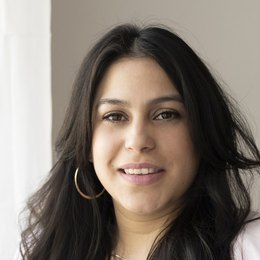
“After more than 13 years working in dental administration, I thought I had a pretty good understanding of how a dental office should flow. Working with Reza showed me that there are always better and more efficient ways of doing things.”
Jenifer AyalaPractice Administrator · Tooth Fairy Kids, North Vancouver
Who I am
I set out to build dental offices.
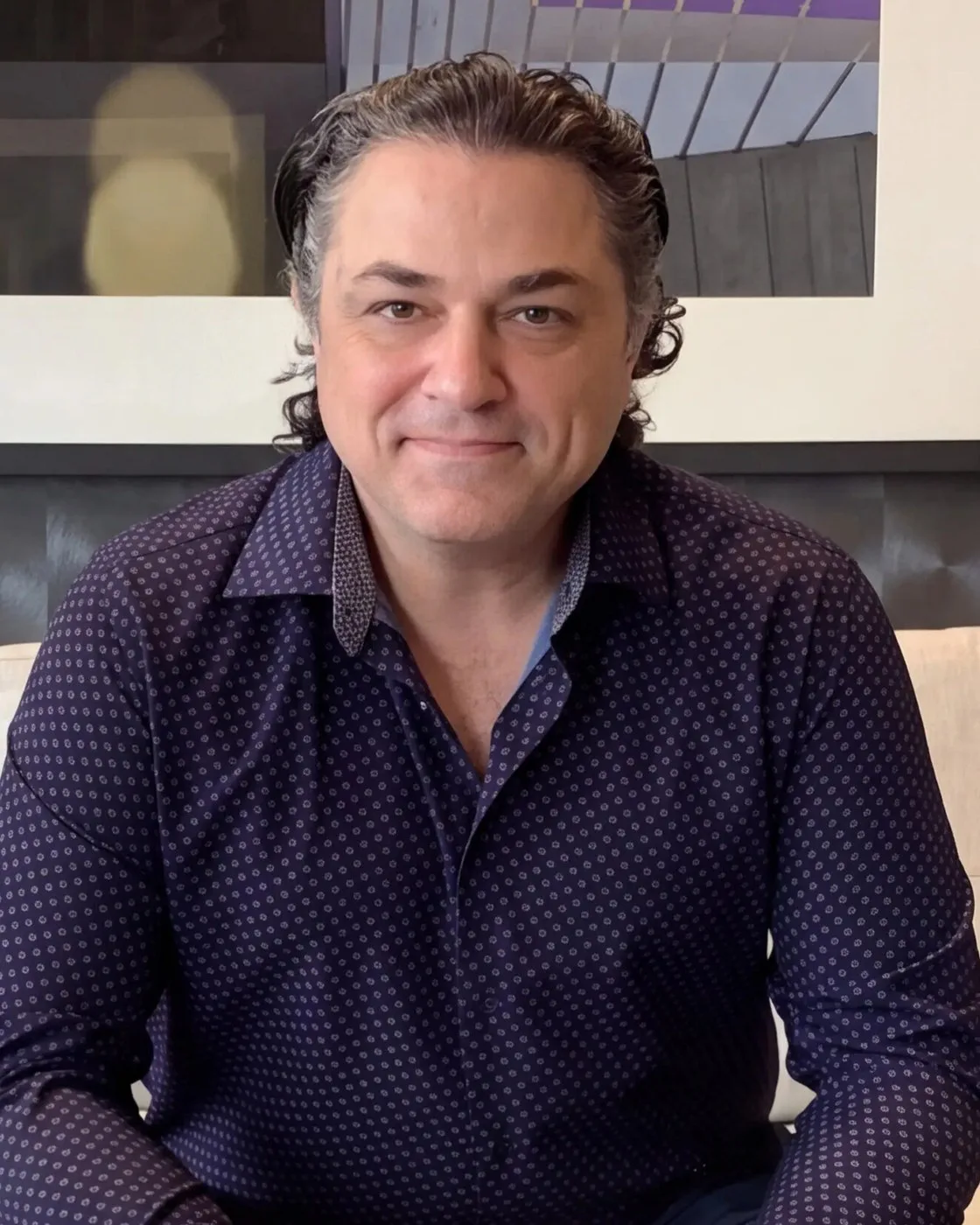
- Reza Riazi · Dental practice consultant, Blufeeld Inc.
- New practices set up from the start · existing ones reorganized
- 6 years in dental offices · US and Canada
- Engineer · 15 years in IT infrastructure
The plan was a six-chair practice where a dentist could lease a chair and walk into a working business — trained administrative staff, equipment, systems, all of it already running. Dentists would do dentistry. Someone else would run the office.
I did not raise the capital for the real estate. But designing that office forced me to solve the part that mattered most: the operating layer. I used the tools I had used in infrastructure work, Lean and Six Sigma: find the constraint, write the standard, measure defects instead of volume. Which systems a practice needs, in what order, who runs them, and how you train a team so the knowledge stays in the building when a person leaves.
That is the CrossDesk Method™. I deployed it in North Vancouver and it worked. Now I bring it to practices that already exist.
Before dentistry I spent fifteen years building and running the infrastructure other businesses depended on — servers, Active Directory, backups, network security, disaster recovery — for a US healthcare provider and a Toronto energy utility. I trained as an electrical engineer.
That is the part most practice-management consultants do not have. Your IT company keeps the server up. Your consultant fixes the process. Neither one can do the other’s job, so the problems between them stay where they are. I have done both.
Reading
Each of these is one part of the system, written out.
Cloud practice management
Everything else
Start here
Twelve questions about where your practice depends on one person.
You went to dental school to do dentistry. The office should run without you standing in the middle of it. Twelve questions show you where it does not yet, with a score and a written readout, whether or not we ever speak.
Rather talk first?
A 15-minute intro or a 45-minute working session, on Zoom.
Or email me directly.
Based in Toronto. I work with practices across Canada and the US — on site where the work needs it, remote where it does not.