
Dental practice operations · Canada and the US
When your office manager leaves, what leaves with them?
I build the systems so the knowledge stays in your practice, and train the whole team to run them.
Sound familiar?
One person builds the schedule.
When they are off, the hygiene column has gaps.
One person knows the insurance.
Verifications and predeterminations stall without them.
One login for everyone.
No audit trail, and no clean way to remove access.
Training means shadowing.
New hires take months and inherit the workarounds.
What I do
The CrossDesk Method™
Six pieces that take the front office off one person’s shoulders.
Cross-training
Every role, more than one person.
Task management
The process lives in the system.
Communication
Team and patients, not just the phone.
Security
Own logins and an audit trail.
Cloud PMS
Where it fits. PHIPA and HIPAA ready.
AI at the front desk
Eligibility checks, recall and reminders, automated.
How an engagement runs
Five steps. The last one is the one most consultants skip.
Discovery
I walk the practice — on site or over video — talk to the people who do the work, and find where one person is the whole process.
Scope, agreed with you
What gets built. What does not.
Roadmap
The order of work, so the practice keeps running while it changes.
Budget and duration
Stated up front, before anything starts.
Build, train, verify
Systems deployed, team trained, delivery checked and signed off.
The five steps are a Lean improvement cycle applied to a front office: measure first, change the constraint, verify the result. Most consultants stop at step three, because implementing what they recommended means touching systems they cannot touch. I can. That is the difference between a report and a result.
Results
A pediatric practice in North Vancouver.
↓75%
Corrections
↓60%
Avoidable write-offs
↑56%
Production
↑35%
Procedures
3 wk
New-hire training
Tooth Fairy Kids, 2023 against 2025, per clinical day. Read the case study →

“The changes have made our processes less dependent on individual staff members and have helped the entire team work more efficiently and consistently.”
Dr. Tila Bahri IraeiOwner · Tooth Fairy Kids Pediatric Dentistry
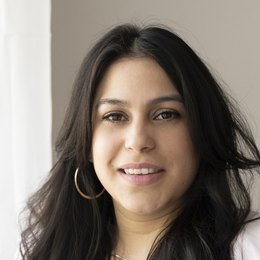
“After more than 13 years working in dental administration, I thought I had a pretty good understanding of how a dental office should flow. Working with Reza showed me that there are always better and more efficient ways of doing things.”
Jenifer AyalaPractice Administrator · Tooth Fairy Kids, North Vancouver
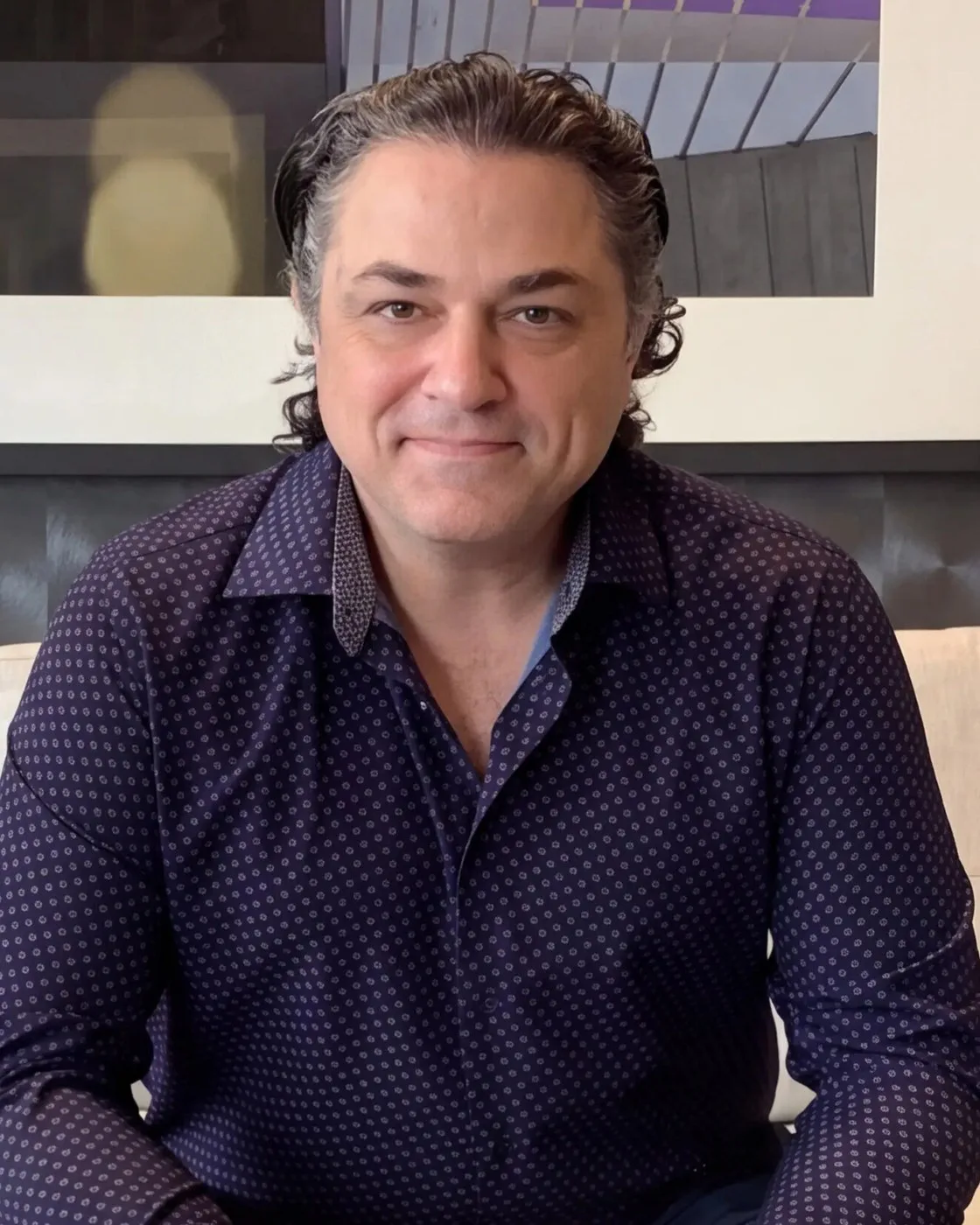
Who I am
Your IT company fixes servers. A consultant fixes process. I do both.
- 6 years in dental offices · US and Canada
- Engineer · 15 years in IT infrastructure
- New practices set up · existing ones reorganized
Questions
What does a dental practice operations consultant do?
I redesign how the front office runs: scheduling, insurance verification, billing, communication, security, and the day-to-day workflow that ties them together. Then I put software underneath it, write each process down, and train the whole team to run it, so the practice stops depending on one person.
How is that different from my IT company or a practice management consultant?
Your IT company keeps the server up. A practice management consultant fixes the process. Neither can do the other's job, so the problems between them stay where they are. I have done both: fifteen years in IT infrastructure and six years in dental offices. That is why I can implement what I recommend instead of handing you a report.
What is the CrossDesk Method?
It is the operating layer of a dental front office: which systems a practice needs, in what order, who runs them, and how the team is cross-trained so the knowledge stays in the building when a person leaves. How the CrossDesk Method works.
What results has it produced?
At Tooth Fairy Kids in North Vancouver, comparing the practice's first full year with its most recent one, per clinical day: corrections fell 75%, avoidable write-offs fell 60% as a share of production, and production rose 56% with the same chairs and staff. New-hire training went from two months to about three weeks. Read the case study.
How does an engagement work, and what does it cost?
Five steps: discovery, an agreed scope, a roadmap, budget and duration, then build, train and verify. The budget and duration depend on the practice and are stated up front, before any work starts. In an established practice I start with the problems you already feel rather than replacing systems your team has run for years.
Do you work with practices outside Toronto?
Yes. I am based in Toronto and work with dental practices across Canada and the US: on site where the work needs it, remote where it does not.
Should we move our practice management software to the cloud?
Often, but not always. A cloud PMS moves the server, backups and patching to the vendor and usually lowers both capital and operating cost, under a contract that meets PHIPA in Ontario or HIPAA in the US. Whether it fits depends on your software, your workflows and your contracts. Dentrix vs Curve Dental compared.
Where should I start?
Take the twelve-question assessment: about four minutes, with a score and a written readout. Or book a Zoom call: a 15-minute intro, or a 45-minute working session.
Where does your practice depend on one person?
12 questions, a score and a written readout.
Rather talk first?